
6 Information
How to protect your accounts, spot scams, check a claim, use AI carefully and read the numbers in the news.
Principle 6. Check where something came from before you trust it, pay for it or share it.
All 16 Information lessons
In Manual order 6.1 · InformationWork out a tip in your head
 6.2 · InformationWhy gift card payment means scam
 6.3 · InformationWrong number text scam, and how to spot other scam texts
 6.4 · InformationHow to turn off location on iPhone and Android
 6.5 · InformationWorking out percent change
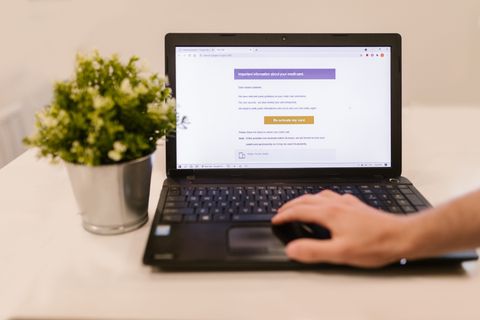 6.6 · InformationSpot a phishing message
 6.7 · InformationHow to block spam calls on iPhone and Android
 6.8 · InformationTurn on two-factor login for email
 6.9 · InformationHow to check if your phone is hacked
 6.10 · InformationTrace a claim before you share it
 6.11 · InformationCheck an AI chatbot's answer
 6.12 · InformationSpot a bar chart that exaggerates
 6.13 · InformationHang up on a 'bank' caller
 6.14 · InformationWhat never to paste into an AI chatbot
 6.15 · InformationSelf-reported vs measured numbers
 6.16 · InformationRelative risk vs absolute risk
Information topics
All topicsPrinciple 6 and its rules
Numbers are fixed, so you can cite them6. Check where something came from before you trust it, pay for it or share it.
Phishing was the crime type most often reported to the FBI's Internet Crime Complaint Center in 2025, with more than 191,000 complaints, and the FBI warns that AI helps scammers remove the spelling and grammar errors that once gave them away. False claims are hard to catch too. In a Stanford study, only three of more than 3,000 US high school students traced a grainy “voter fraud” video to its source, which showed it was filmed in Russia. AI chatbots add a new risk: in a 2025 study by public broadcasters, 45% of AI assistants' answers about the news had at least one significant problem.
- 6.1Treat any demand for payment in gift cards as a scam, and hang up on any caller who says they are your bank, then call the number on your card.
- 6.2Check who really sent a message and where its link really goes before you click, and protect your email with a second login step.
- 6.3Trace a claim to where it first came from before you share it, and confirm any AI answer that matters in a real source.
- 6.4Keep passwords, ID and account numbers, health details and other people's private information out of chatbots, because what you type may be stored and read by others.
- 6.5Ask how a number was made: whether it was self-reported or counted, what a risk changed from and to, and where a chart's axis starts.
- 6.6Work out everyday percentages in your head, starting from 10%.
- 6.7Lock down your phone: share location only when needed, screen unknown calls, and never act on an unexpected text.


